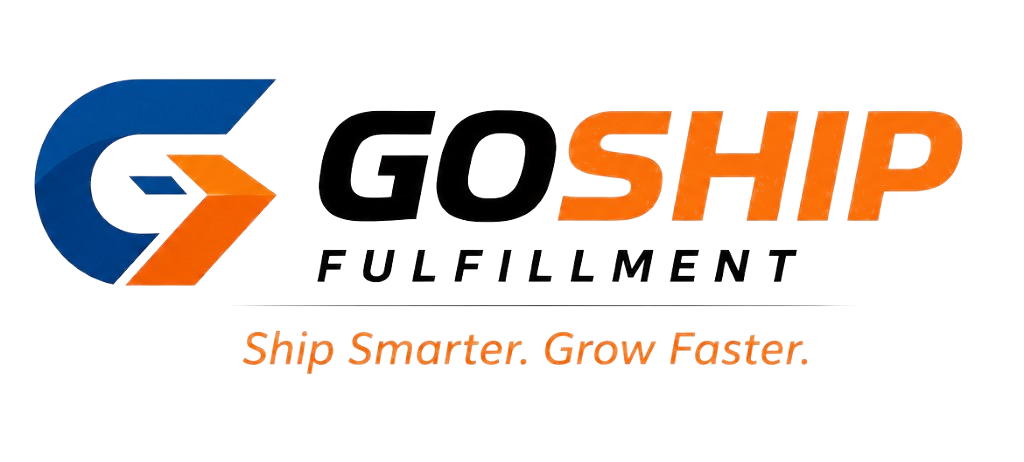
The global beauty market is expected to reach $590 billion by 2030, growing at around 5% annually, according to McKinsey.
For online sellers, that’s a growing market to explore. But finding cosmetics and skin care products worth selling takes more than browsing supplier catalogs.
A serum might look promising in photos, but how do you know whether its ingredients, quality, packaging, and labeling meet your requirements? And can the supplier support your shipping needs?
Sourcing involves more than finding a product at the right price. You also need to evaluate suppliers, understand the requirements of your target market, and plan how products will reach customers.
This guide walks you through how to source cosmetics and skin care products online, from selecting products and checking suppliers to managing costs, compliance, and fulfillment.
What Cosmetics and Skin Care Products Should You Sell?
Beauty products come in many forms, each with different sourcing requirements. Start by considering what fits your store’s audience rather than choosing products based on popularity alone.
| Product Category | Examples | What to Consider |
| Facial skincare | Cleansers, moisturizers, serums | Ingredient information, formulation stability, packaging compatibility |
| Makeup | Lip gloss, blush, foundation | Shade accuracy, color consistency, product presentation |
| Body care | Body lotions, scrubs, hand creams | Container size, leakage risks, shipping weight |
| Beauty accessories | Makeup brushes, facial rollers, cosmetic bags | Materials, durability, packaging quality |
Skincare and makeup often require closer attention to formulations, labeling, and product consistency. Accessories may be a simpler starting point for sellers who want to explore the beauty category without handling cosmetic formulations.
Depending on your sourcing model, upfront inventory purchases, inbound shipping, and storage costs may also need to be factored into your pricing.
Before settling on a product, check competing listings and customer reviews. Complaints about leaking bottles, inaccurate shades, or misleading product sizes can reveal potential sourcing problems.
Use those findings to prepare specific questions for suppliers and identify what you’ll need to verify when reviewing samples.
What to Look for in a Cosmetics Sourcing Partner
Start by sharing your preferred product category, target market, estimated order volume, and packaging requirements with potential sourcing partners. Their responses can help you narrow down suitable products and suppliers.
Finding cosmetics and skin care products is only one part of sourcing. For online sellers working with a sourcing partner, it’s equally important to understand how products are evaluated, what information is available, and how purchasing arrangements work.
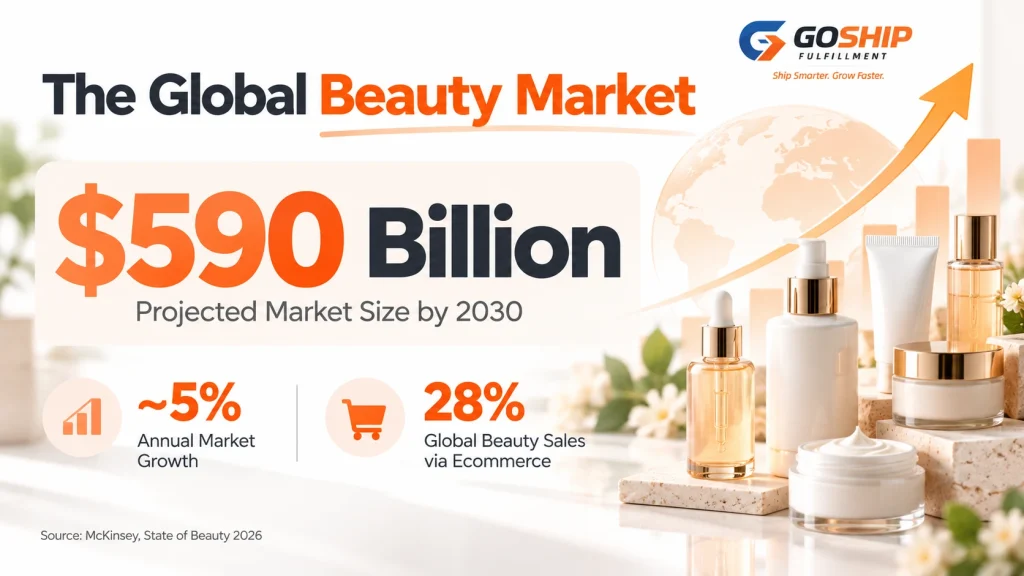
Supplier and Product Verification
A sourcing partner should be able to explain where products come from and whether the supplier manufactures them directly or works with other producers.
Ask what product information can be provided, including:
- Ingredient lists and product specifications
- Batch identification and available testing records
- Safety assessments or other relevant documentation
- Label artwork and packaging specifications
- Manufacturing and quality-related records, where applicable
Cosmetic safety, ingredient, and labeling requirements vary by destination market. Ask which documents are available, what still needs to be verified, and who is responsible for meeting the applicable requirements. A Safety Data Sheet (SDS), for example, does not replace a cosmetic product safety assessment where one is required.
Sample Review and Quality Checks
Even when a sourcing partner helps coordinate suppliers, reviewing samples remains an important step.
For a serum, examine the texture, appearance, container, dispensing mechanism, and seal. For makeup, compare shades, consistency, and packaging quality with the agreed specifications.
Ask how samples are arranged and whether product or packaging issues can be addressed before placing a larger order.
Visible checks can identify problems such as leakage or damaged packaging, but product safety and stability require appropriate supporting evidence.
Pricing, MOQ, and Fulfillment Arrangements
A sourcing partner should help you understand the purchasing terms before you commit to an order.
Clarify whether quotations include labels, packaging, inspections, and shipping, and whether minimum order quantities apply to individual products, shades, formulas, or packaging designs.
If you’re planning to use dropshipping, clarify who owns the inventory, whether stock must be purchased in advance, and how individual customer orders will be fulfilled.
For private label cosmetics, confirm production and packaging MOQs, inventory arrangements, and replenishment lead times.
It’s also worth establishing how defective products, stock shortages, and changes to formulations or packaging will be handled.
Calculate the Real Cost of Selling Beauty Products
The price quoted by a supplier doesn’t always reflect what you’ll spend to get a product into a customer’s hands.
Take a facial moisturizer sold through an online store. Here’s an example of how the costs might add up for a single order:
| Expense | Illustrative Cost per Order |
| Product | $7.00 |
| Packaging | $1.00 |
| Order fulfillment | $1.50 |
| Shipping | $4.00 |
| Payment processing | $0.80 |
| Advertising (estimated per order) | $5.00 |
| Total | $19.30 |
At a selling price of $25, that leaves $5.70 before refunds, platform fees, taxes, and other operating expenses.
These are illustrative figures, not standard industry rates. Fulfillment and packaging charges may also be bundled into a supplier’s quotation, so check what’s already included.
For beauty products, packaging requirements can make a noticeable difference. A poorly sealed moisturizer bottle, for example, could lead to leakage, damaged shipments, and additional replacement costs.
When comparing quotes, check which services are included and whether additional packaging, fulfillment, or shipping charges apply.
Plan Packaging and Shipping for Cosmetics and Skin Care
A leaking serum or broken glass bottle can turn an otherwise successful order into a customer complaint. That’s why packaging and shipping requirements should be considered before you start selling.
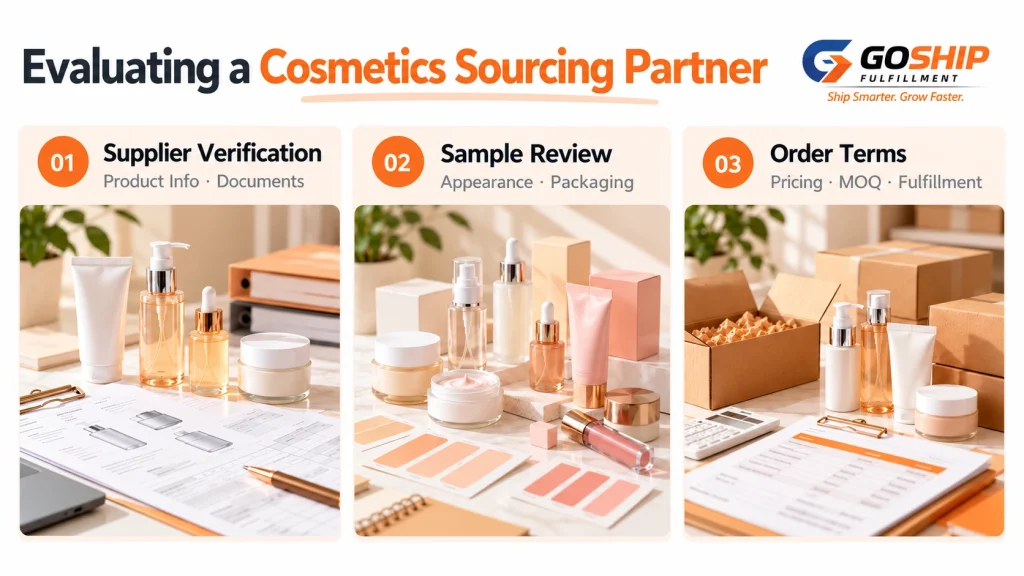
Protect Liquids, Creams, and Fragile Packaging
Serums, lotions, and other liquid products need packaging that suits their containers and shipping conditions.
Glass bottles may need protective cushioning, while pumps and caps should be secured to reduce leakage during transit.
For temperature-sensitive formulas, check the supplier’s storage and transport recommendations before choosing a shipping method.
Packaging should protect the product without adding unnecessary weight or cost to each order.
Check Shipping Restrictions Before Launch
Not all beauty products can be shipped through the same channels.
Perfumes, aerosols, and certain alcohol-based products may be subject to additional carrier requirements. Import rules and documentation requirements can also vary by destination.
Before listing these products, check whether suitable shipping services are available for your target markets and what documentation may be required.
Sourcing and fulfillment planning should work together from the start. Share the product type, packaging details, and intended destinations with your fulfillment partner before confirming shipping arrangements.
Final Thoughts: Source Beauty Products with Confidence
Before committing to a cosmetics or skin care product, make sure the supplier, product information, costs, and fulfillment arrangements meet your business needs.
A focused product selection and clear sourcing requirements can make it easier to compare options and prepare for launch.
If you’re exploring beauty product sourcing, GoShipFulfil can help you discuss sourcing, packaging, and fulfillment options based on your business needs.
Share your product requirements, expected order volume, and target markets to get started.