You’ve found a supplement you want to sell. The price looks good, the packaging is attractive, and the supplier says it can handle your order.
Then you start asking about manufacturing certifications.
Does the factory follow GMP standards? Can it provide relevant quality documents? And are its credentials suitable for the product you want to sell?
These questions can make supplier selection more complicated than it first appears.
Unlike many everyday ecommerce products, supplements are consumed. That makes manufacturing standards, ingredient quality, and product documentation especially important.
We help ecommerce businesses explore product sourcing options. When evaluating supplement suppliers in China, we look beyond price to consider manufacturing credentials, product quality, and production capabilities.
What We Look for in a Supplement Supplier
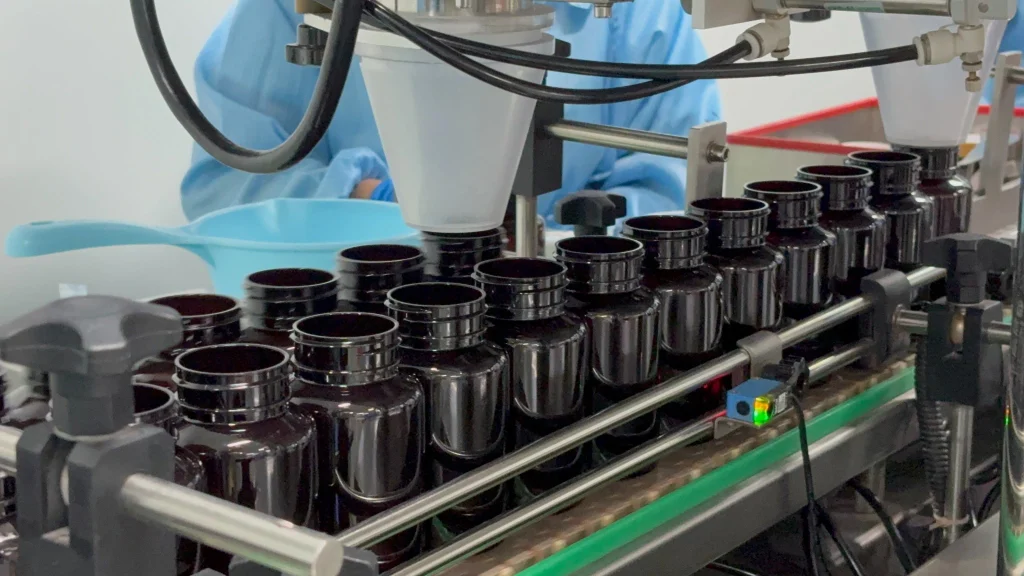
A reliable supplier needs more than a competitive price or a large product catalog.
For supplement sourcing, manufacturing credentials are an important starting point. We also consider product quality records, customization capabilities, and whether the supplier can support the client’s purchasing and fulfillment requirements.
1. Manufacturing Certifications and Standards
When comparing supplement manufacturers in China, one of the first things we look at is their manufacturing credentials.
GMP (Good Manufacturing Practice) is particularly important. It covers manufacturing controls designed to help products meet established quality specifications.
For dietary supplements intended for the United States, the FDA’s current good manufacturing practice requirements are set out in 21 CFR Part 111.
GMP is not the only manufacturing standard worth considering.
Depending on the manufacturer, product, and intended market, other relevant credentials may include:
- ISO 22000: A food safety management system standard covering the identification and management of food safety risks.
- HACCP: A systematic approach to identifying and controlling food safety hazards.
- BRCGS: Certification programs that may be relevant to food safety and manufacturing operations.
- HALAL: Certification that may matter for products intended for consumers or markets with specific halal requirements.
These credentials do not all serve the same purpose. Having several certifications also does not automatically mean that every product made by a factory meets every market’s requirements.
For buyers, the important questions are whether the documents are valid, which manufacturing site and activities they cover, and whether they are relevant to the product being sourced.
A Manufacturing Example: Jiabeikang
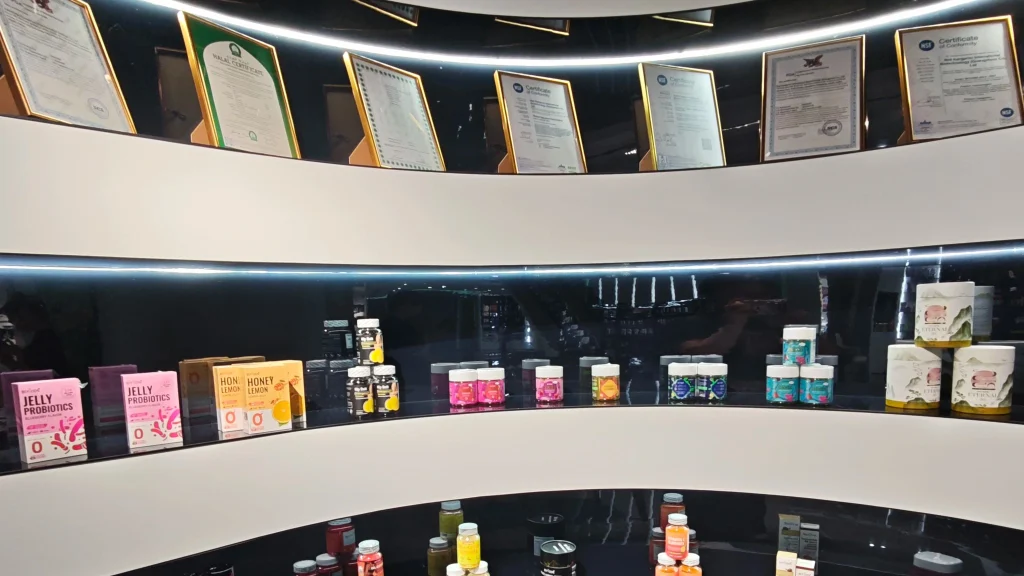
One China-based manufacturer worth examining is Jiabeikang, which specializes in supplement OEM/ODM and private label manufacturing.
Jiabeikang lists a range of manufacturing and food safety credentials on its website, including GMP, ISO 22000, HACCP, BRCGS, and HALAL. These credentials cover different aspects of manufacturing quality, food safety management, and specific market requirements.
As with any manufacturer, buyers should verify that the relevant certificates are current and cover the intended production activities.
It’s also important to distinguish certifications from registrations. FDA food facility registration, for example, does not mean the FDA has approved a supplement or endorsed the manufacturer.
2. Quality Control and Product Documentation
Manufacturing credentials help establish a starting point, but they do not tell us everything about an individual supplement.
Once we have considered a supplier’s qualifications, the next step is understanding what quality records are available for the product.
Three areas are particularly useful to examine:
- Raw materials: How are ingredients identified and checked before production?
- Manufacturing controls: What specifications are monitored during production?
- Finished products: Which tests are performed, and what batch-specific records can the supplier provide?
A Certificate of Analysis (COA) can be useful here. It records the characteristics tested and the results reported for a particular material or product batch.
Depending on the formulation, relevant testing may involve ingredient identity, potency, microbiological quality, or contaminants.
Testing requirements vary by product and formulation. What matters is whether the manufacturer can explain the applicable controls and provide appropriate supporting records.
Jiabeikang also describes raw material checks, in-process quality monitoring, and finished-product testing on its website. For a buyer considering a specific product, the next step would be to request the relevant documents and confirm what testing is available.
3. Manufacturing and Customization Capabilities
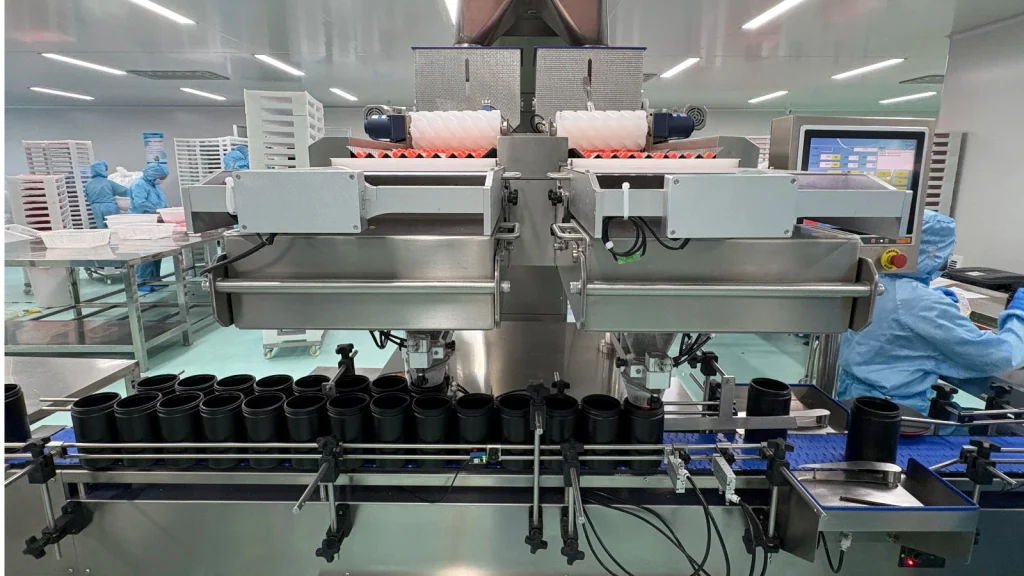
Certifications matter, but the manufacturer must also be able to produce the product the client actually wants to sell.
A supplier that mainly manufactures capsules may not be suitable for a business planning to launch gummies or liquid supplements.
That is why we consider product requirements alongside manufacturing credentials.
Questions include whether the factory can support the requested dosage form, formulation, packaging, and level of customization.
For example, Jiabeikang lists manufacturing capabilities across gummies, capsules, tablets, powders, softgels, and liquid supplements.
This range can be useful for ecommerce brands considering different product formats or planning to expand an existing supplement line.
Private label packaging is another consideration.
Some sellers may only need an existing product with a customized label. Others may want a modified formulation, different bottle, or more extensive branded packaging.
These options can affect production requirements, costs, and minimum order quantities.
Before placing an order, buyers should confirm which customization options are available for their specific product.
Frequently Asked Questions
1. How can businesses compare supplement suppliers with similar manufacturing capabilities?
When two manufacturers offer similar products and certifications, the differences may lie in their communication, quotation details, production flexibility, and ability to handle changes.
Comparing these practical factors alongside manufacturing qualifications can help businesses identify a supplier that fits their purchasing needs.
2. Can ecommerce businesses work with multiple supplement manufacturers?
Yes. Different manufacturers may specialize in different supplement formats or production methods. Working with multiple suppliers can provide greater flexibility, but it also requires coordinating separate orders, production schedules, and supplier communications.
3. How can businesses reduce supply disruptions when sourcing supplements from China?
Clear production schedules, realistic lead times, and early replenishment planning can help reduce disruptions. Businesses should also confirm how suppliers communicate delays and handle changes to production schedules, particularly when managing repeat orders.
Final Thoughts: Choosing the Right Supplement Supplier
Choosing the right supplement supplier means finding a manufacturer whose qualifications, quality controls, and production capabilities match your product requirements.
Manufacturers such as Jiabeikang provide a useful example of what buyers can explore when sourcing supplements from China. Before committing to production, it’s worth confirming the relevant documentation and purchasing terms.
At GoShipFulfil, we help ecommerce businesses explore sourcing options based on their product needs.
Looking for a supplement supplier? Share your product requirements with us to get started.