Two ecommerce stores sell almost identical products at similar prices. One ships its orders in plain packaging. The other uses a recognizable logo, consistent colors, and a custom box.
The products may be similar, but the impression they leave is different.
That’s where product branding comes in. It helps sellers give otherwise ordinary products an identity customers can recognize.
And you don’t need to develop a completely new product to get started. A custom label, branded packaging, or even a simple insert can be a first step.
What Is Product Branding?
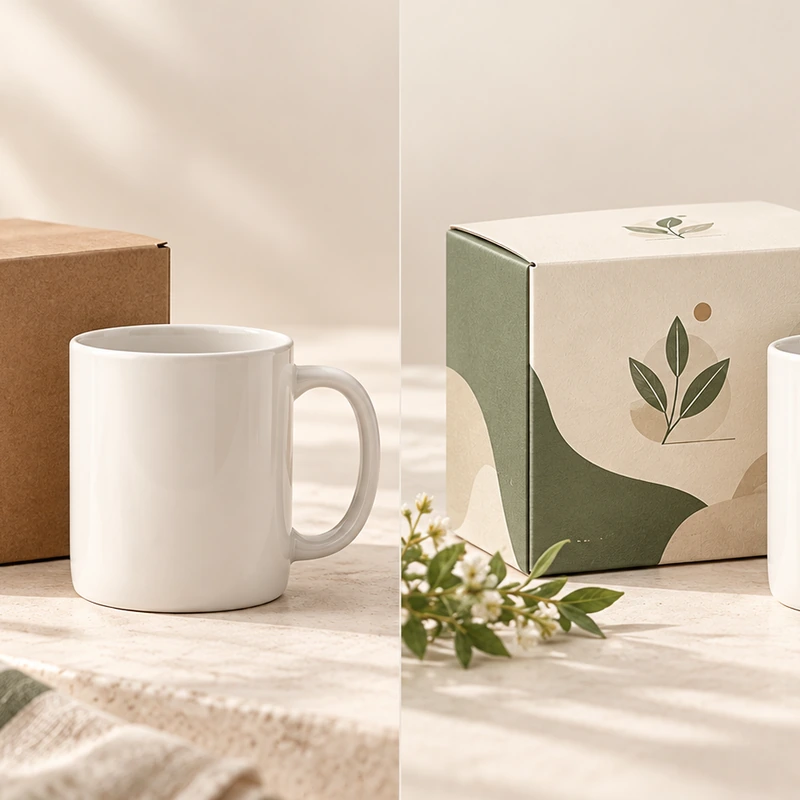
Product branding is the process of creating a recognizable identity for a product through its name, logo, packaging, colors, and overall presentation.
Unlike company branding, which represents the business as a whole, product branding focuses on how individual products or product lines are presented.
For example, a home accessories store might use different packaging styles for its kitchen and home decor collections while maintaining a consistent overall brand identity.
The goal is to make products recognizable across your online store, marketing materials, and the packaging customers receive.
Why Product Branding Matters for Ecommerce
When similar products are available across multiple stores, a recognizable brand can help yours stand out beyond price alone.
Consistent logos, packaging, and product presentation make it easier for customers to identify your products, both online and when their orders arrive.
Branding doesn’t replace quality or good service, but it can make an otherwise generic product more memorable.
How to Make Your Products Stand Out with Branding
Good product branding starts with a clear identity, but the design also needs to work in practice. Before contacting a supplier, prepare your product specifications, existing artwork, expected order quantity, and packaging ideas.
These details help determine which customization options are feasible and what they may cost.
1. Choose a Product Name and Logo That Work Across Different Formats
Your product name should be easy to recognize and relevant to your target audience. A logo also needs to work across different sizes and materials. A design that looks impressive on a website may lose its detail when printed on a small label or directly onto a product.
Before choosing a printing method, check what the supplier can produce, the minimum order quantity, and whether the design needs adjusting.
Reusable water bottles are a good example. A simple, single-color logo can work across the bottle, packaging, and product inserts, provided the chosen printing method is suitable for the material.
2. Build a Consistent Visual Identity
Colors, typography, and graphics should make your products recognizable across your online store, packaging, and marketing materials.
However, digital designs don’t always translate perfectly into physical products. Colors may vary between cardboard, plastic, and other materials, while small text or detailed graphics can become difficult to read after printing.
For a skincare product line, we might suggest using a consistent color palette and typography across bottles and boxes, with subtle variations to distinguish individual products.
Before production, it’s worth reviewing printed samples to check color accuracy, logo placement, text clarity, and overall finish. Adjustments at this stage are generally easier than correcting a larger production run.
3. Design Packaging Around Branding, Protection, and Fulfillment
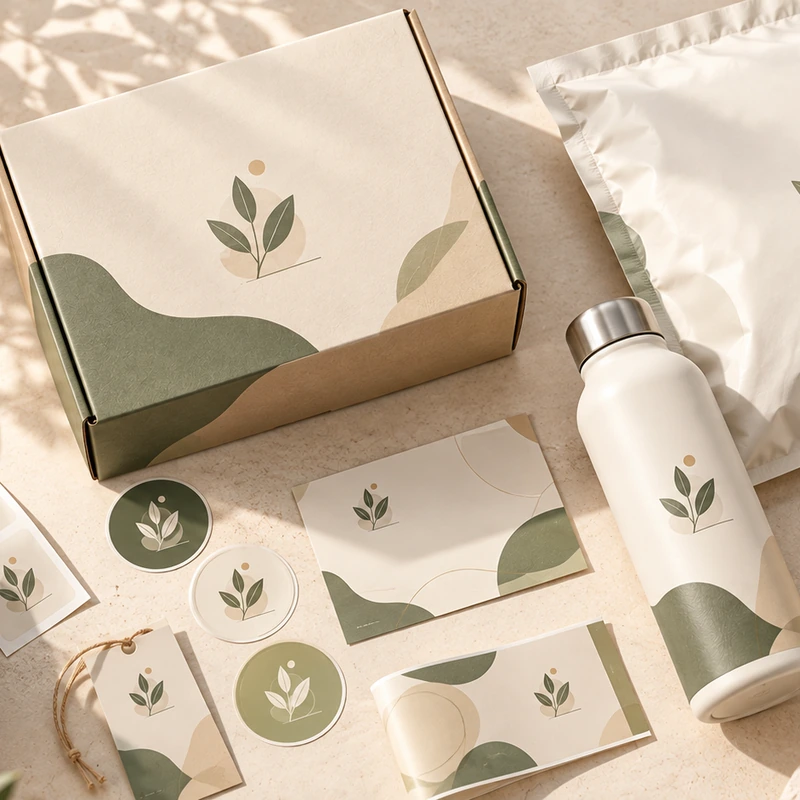
Custom packaging can make a product more distinctive, but it also needs to work throughout the shipping process.
Box dimensions, material strength, protective inserts, and printing methods can affect packaging costs and shipping requirements. It’s also important to confirm how the finished packaging will be used when customer orders are prepared.
For fragile products like ceramic mugs, we would first consider the product’s size, fragility, and shipping requirements before recommending a branded box with a protective insert. This helps balance brand presentation with practical packaging needs.
Once the packaging design is approved, packing instructions should also be agreed upon.
For example, if an order includes a branded box, protective materials, and a thank-you card, the fulfillment team needs clear instructions on how these items should be assembled.
4. Develop a Brand Message That Matches the Product
Your brand message should communicate what makes the product relevant to your target customers. Rather than relying on broad claims such as “premium quality,” focus on characteristics customers can understand and that your product can genuinely deliver.
For example, a travel accessories brand might emphasize compact design and everyday convenience. That positioning could appear in product descriptions, packaging graphics, and a short instruction card included with each order.
The message should remain consistent across these materials, so customers receive the same impression of the product online and when they open their package.
Choosing the Right Product Branding Options
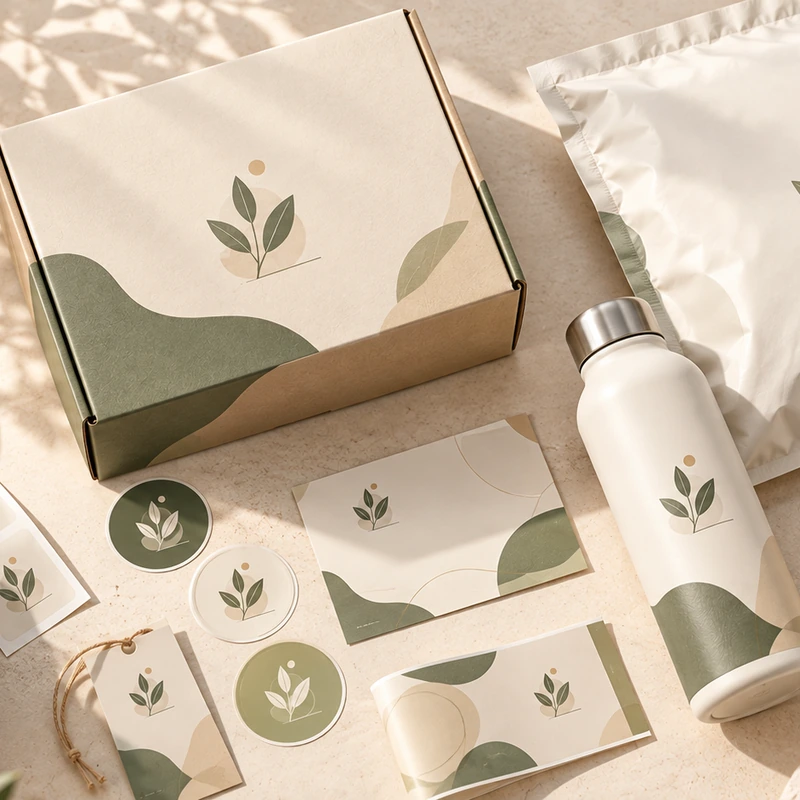
The right branding method depends on your product, budget, and order volume. Some options are easier to introduce when testing a new product, while others require more coordination with suppliers.
| Branding Option | Best Suited For | Key Considerations |
| Logo Stickers | Adding branding to existing packaging | Material, surface compatibility, and application |
| Thank-You Cards | Adding a personal touch to customer orders | Printing quantities and packing instructions |
| Custom Product Labels | Creating a consistent look across product ranges | Label size, material, and required product information |
| Custom Packaging Boxes | Products that benefit from distinctive retail packaging | Box dimensions, protection, printing costs, and MOQ |
| Branded Shipping Bags | Suitable products shipped in lightweight outer packaging | Material, durability, size, and printing quantities |
| Logo on Products | Products where branding directly on the item adds value | Printing method, supplier capability, samples, and MOQ |
Before choosing a branding option, compare the total cost rather than the printing price alone. Setup charges, minimum quantities, packaging materials, and additional packing work can all affect the final cost per order.
Start Building Your Product Brand
Whether you’re adding a logo to an existing product or planning fully customized packaging, the next step is to find out what is practical for your product and budget.
At GoShipFulfil, we help ecommerce sellers review branding options, coordinate supplier and sample requirements, and plan how branded products will be prepared for customer orders.
Already have a product in mind? Share your product link or specifications, logo or packaging ideas, expected order quantity, and target markets with our team.
We’ll help you review the available options, customization requirements, and costs before you move forward.
FAQ
What is the difference between product branding and private labeling?
Product branding focuses on how a product is presented and recognized through its name, logo, packaging, and messaging. Private labeling involves selling products manufactured by another company under your own brand. They often overlap, but product branding doesn’t necessarily require a private-label product.
Does product branding require a minimum order quantity?
It depends on the customization method and supplier. Simple options like printed cards or stickers may have different minimum quantities from custom boxes or logos printed directly on products. Check the MOQ for each option before placing an order.
Can I use my existing logo and packaging design?
Yes, existing artwork can often be used for product branding, provided it meets the supplier’s printing requirements. You may need to adjust file formats, dimensions, colors, or logo placement. Reviewing a sample before production can help identify any issues.