Your products have arrived at the warehouse. The quantity looks right on paper. Everything seems ready to go.
But are the products ready to reach your customers?
A damaged item, the wrong color, missing accessories, or poor packaging can easily go unnoticed if inventory moves straight from receiving to fulfillment.
Product inspection adds a checkpoint in between.
What Is Product Inspection?
Product inspection is a check of physical goods against agreed product requirements.
Product sourcing helps you find a product and supplier. Inspection comes later, when the goods arrive and need to be checked against the details you confirmed earlier.
There are different types of inspection across the supply chain. Some take place at the factory while goods are being produced. Others happen before shipment.
Our warehouse inspection happens later.
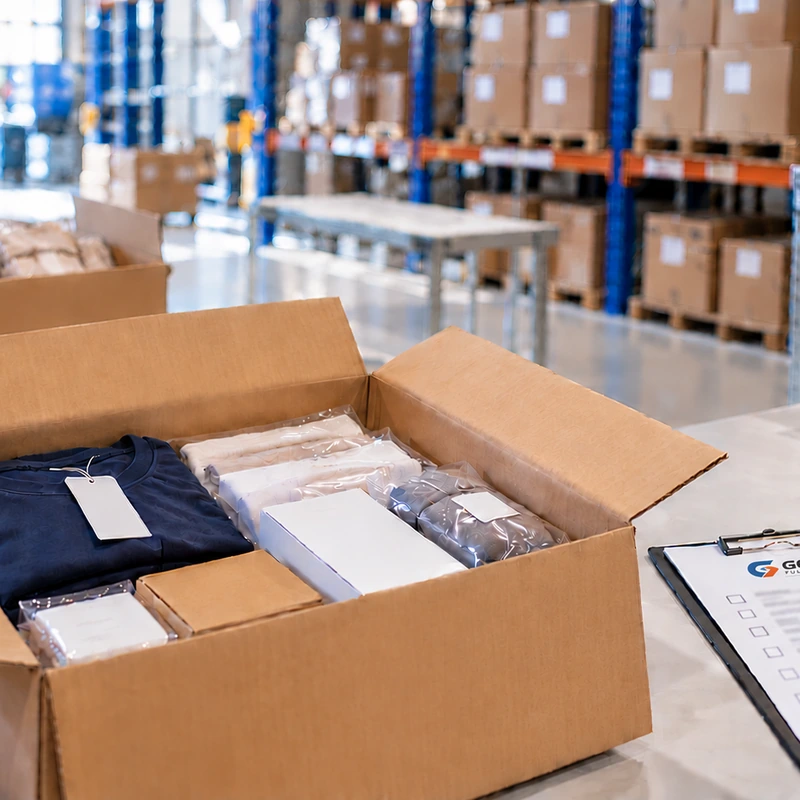
Once your products arrive, we check the received inventory against the agreed details. This can include SKU quantity, packaging, product specifications, visible condition, basic function, manuals, and accessories.
It is not laboratory testing. It is not a factory audit either.
It is a final product checkpoint inside the fulfillment workflow.
The Role of Product Inspection in Ecommerce Fulfillment
When you sell online, you rarely see every product before it reaches a customer.
That creates a simple problem. If something is wrong with the inventory, the issue may stay hidden until an order has already been packed—or worse, delivered.
Once unchecked inventory enters fulfillment, a product issue can easily become an order issue.
At GoShipFulfil, product inspection adds a checkpoint before that happens.
It can help catch practical issues such as:
- The wrong SKU or quantity arriving
- Visible damage to the product
- Incorrect size, color, or other agreed details
- Missing manuals or accessories
- Damaged or incorrect packaging
- Basic functions not working as expected
Checking products before they enter the normal fulfillment flow gives you a chance to deal with these issues earlier.
It also becomes more useful as your business grows. When you are handling a few products yourself, you may be able to check them personally. Once inventory is being sourced from suppliers and sent directly to a fulfillment warehouse, that is no longer as practical.
A product inspection service gives you another set of eyes on the inventory you may never physically handle yourself.
That is the real value of inspection for ecommerce: problems are easier to deal with before the product becomes a customer order.
What Do We Check When Your Products Arrive?
Not every product needs exactly the same inspection.
A T-shirt has different details to check from a kitchen accessory. An electronic item may need a basic function check that a decorative product does not.
That is why the product itself matters.
Still, there are several areas we commonly look at when inventory reaches the warehouse.
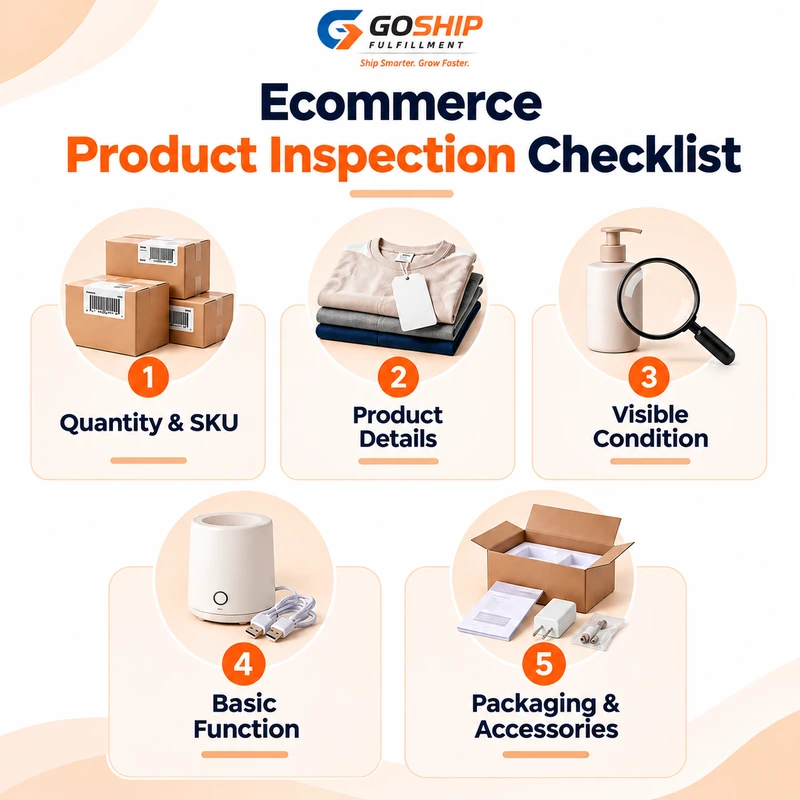
Quantity and SKU
First, we check what has actually arrived.
The received SKU quantities are compared with the purchasing information before the products move further into the warehouse process.
This sounds simple, but it matters.
If you ordered several colors, sizes, or product variants, knowing that the correct inventory arrived is the starting point for everything that follows.
Product Details
Next come the details that make one product different from another.
Depending on the item, we may check attributes such as:
- Size
- Color
- Material
- Product variant
- Other agreed specifications
The goal here is straightforward: the item in the box should match the product you expected to receive.
Visible Condition
Products travel before they ever reach the end customer.
So we also look for visible problems such as breakage or damage when the goods arrive at the warehouse.
For an ecommerce seller, this creates another opportunity to spot an issue before that unit is picked for an order.
Nobody wants the customer to be the first person who notices it.
Basic Function
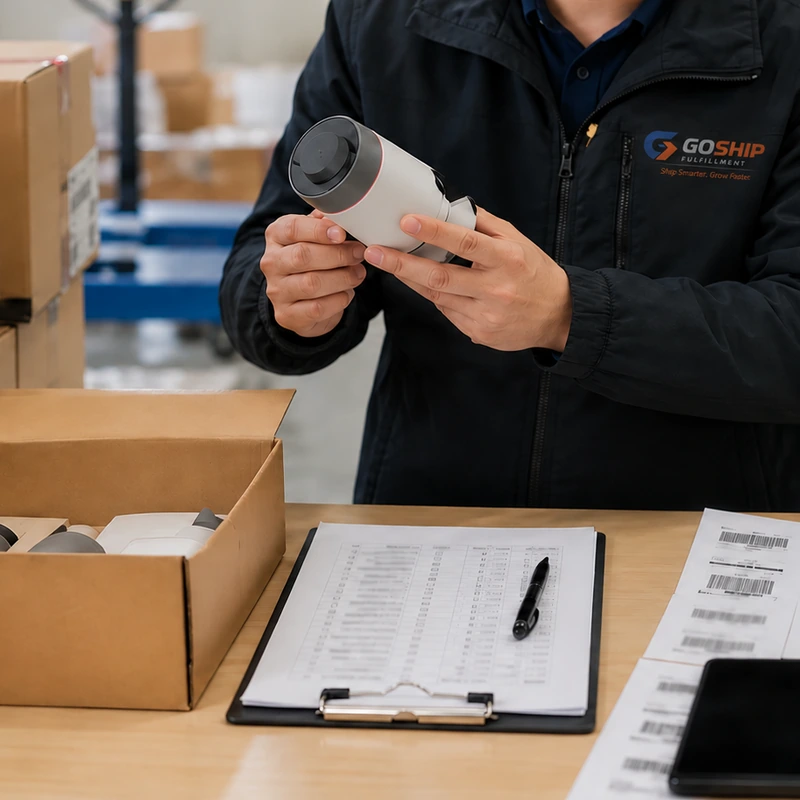
Where appropriate, the inspection can also include checking whether the product works at a basic level.
The exact check depends on the item and the inspection requirements agreed beforehand.
This is an important distinction. A basic function check is not the same as technical certification or laboratory testing.
If a product requires specialized safety, regulatory, chemical, or performance testing, that needs to be handled through the appropriate testing process.
Packaging and Accessories
Sometimes the product itself is fine, but something around it is not.
The box may be damaged. A manual may be missing. An expected accessory might not be there.
Our general warehouse inspection can include the product bag or box packaging as well as manuals and other accessories where relevant.
That makes packaging part of the inspection rather than an afterthought.
Our Ecommerce Product Inspection Checklist
Product inspection is not limited to one type of inventory.
At GoShipFulfil, we work with a wide range of ecommerce products, from clothing and accessories to home, office, pet, and electronic products. The exact inspection points change with the product. A handbag does not need the same checks as a T-shirt or an electronic item.
Here are some of the product categories covered by our inspection service:
| Product Category | Examples |
| Clothing & Apparel | T-shirts, baby clothes, swimwear, leggings, socks, hats |
| Fashion Accessories | Bags, handbags, watches, jewelry, sunglasses, shoes |
| Beauty & Personal Care | Cosmetics, hair products, wigs, makeup |
| Home & Lifestyle | Home decor, mugs, daily-use products |
| Kitchen & Office | Kitchen supplies, office supplies |
| Pet Products | Pet supplies and accessories |
| Electronics & Other Products | Electronics, drones, auto parts and other suitable products |
The product category is only the starting point.
What matters more is what you need us to check.
For a piece of clothing, that might mean size, color, material, visible damage, and packaging. For an electronic item, basic function and included accessories may matter more.
Share the product details with us before inspection so the relevant checks can be confirmed for your inventory.
How We Handle Products That Fail Inspection
Finding a problem before fulfillment is far more useful than discovering it after a customer has opened the parcel.
The next step depends on what is wrong.
A damaged item is different from an incorrect SKU. Missing accessories are different again. The issue needs to be identified first so the appropriate next action can be discussed.
For products sourced through GoShipFulfil, our current inspection process includes handling defective products with the supplier or factory rather than treating them as qualified inventory ready for fulfillment.
The aim is simple: separate the problem from the normal fulfillment flow before it becomes a customer order.
From Product Inspection to Fulfillment
Finding problems is only one side of product inspection. We also need a clear process for the products that pass.
Once an item meets the agreed checks, it can move forward in the warehouse workflow.
At GoShipFulfil, qualified products are labeled with an SKU QR code. Their product information is then recorded in the ERP system before the inventory moves into warehouse storage.
In simple terms, the flow looks like this:
Goods Arrive → SKU Check → Product Inspection → SKU Labeling → Inventory Record → Storage
This creates a cleaner handoff between inspection and fulfillment.
Instead of receiving cartons and immediately treating everything inside as available stock, products go through an inspection step first. Qualified inventory can then move forward for the next agreed stage.
Depending on your setup, that may include storage, packaging preparation, or order fulfillment.
So product inspection is not a standalone task at the end of sourcing. It sits between receiving your inventory and preparing that inventory for customer orders.